


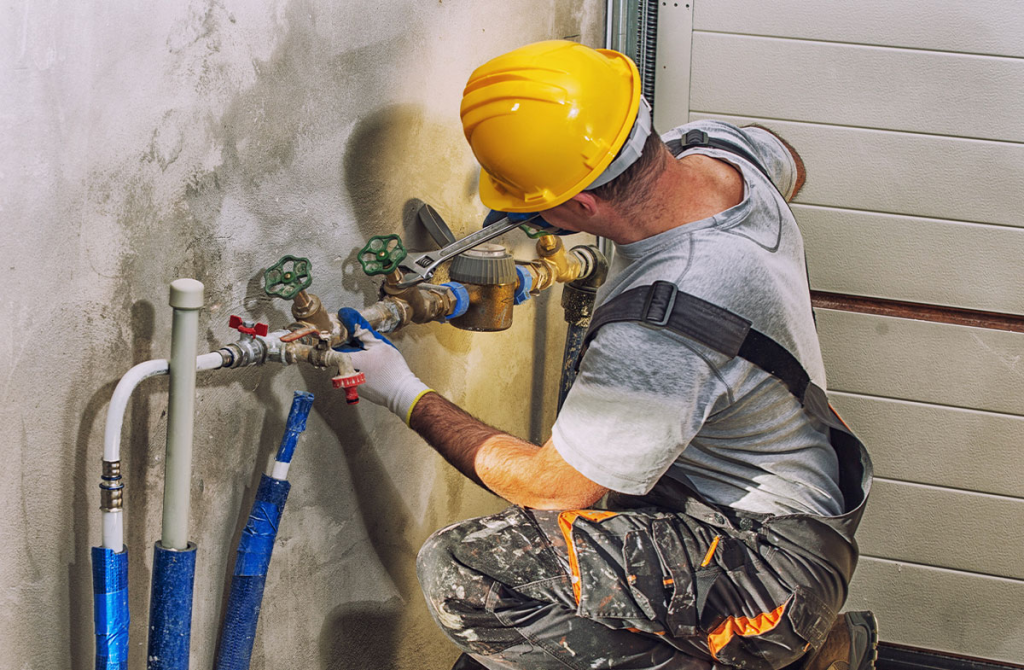
As your projects grow, so does your risk. A subcontractor default can lead to costly delays, budget overruns, payment disputes, and strained owner relationships. That’s why many general contractors require certain subcontractors to provide performance and payment bonds before work begins—a practice often called bonding back subcontractors. The good news? Setting up a subcontractor bond […]
Category Archives: Contract Bonds
02
Oct
Oct
When a subcontractor defaults, the consequences can extend far beyond replacing a contractor. Delays, increased costs, payment disputes, and strained client relationships can quickly put a project at risk. To help manage that risk, many general contractors choose one of two approaches: Subcontractor Default Insurance (SDI) Subcontractor performance and payment bonds (often called bonding back […]

06
Sep
Sep
When you’re pursuing larger construction projects, proving your qualifications starts long before you submit a bid. In many cases, project owners, developers, or general contractors want reassurance that you’ll be able to obtain the required surety bonds if you’re awarded the work. That’s where a letter of bondability comes in. Whether you’re bidding on your […]
01
Sep
Sep
The Contractor’s Bond Readiness Checklist: 6 Steps to Prepare Before You Bid Winning a project often comes down to more than having the lowest bid. If the project requires surety bonds, you’ll also need to demonstrate that your business is financially stable, experienced, and prepared to complete the work successfully. Unfortunately, many contractors wait until […]

30
Apr
Apr
Colorado’s new retainage bond requirement (HB 26-1311) introduces a smart way for contractors to manage cash flow on construction projects. Instead of waiting months to recover retained funds at the end of a job, contractors can now use a surety bond to access that money sooner. This means more working capital during the project—helping contractors […]
13
Mar
Mar
Getting approved for a surety bond is just the first step. Maintaining your bond program — and increasing your bonding capacity over time — requires consistent financial management, documentation updates, and ongoing compliance with underwriting expectations. Contractors who actively manage their bond program are often able to: Qualify for larger projects Increase single job limits […]
11
Mar
Mar
If you’re applying for a construction surety bond — whether it’s a bid bond, performance bond, or payment bond — your approval doesn’t just depend on your credit score or business size. Underwriters evaluate your company’s financial strength, experience, project history, and overall ability to complete bonded work successfully. Submitting a complete and well-organized bond […]

13
Jan
Jan
If you’re hiring an out-of-state (non-Minnesota) construction contractor for a Minnesota project — or you are that contractor — Minnesota’s surety deposit rules can impact your payments, timelines, and cash flow. Minnesota’s Department of Revenue (DOR) recently updated its guidance and continues to emphasize a key compliance point: the hiring party may need to withhold […]