


Requiring subcontractors to provide performance and payment bonds is one of the most effective ways to reduce project risk—but only when it’s done thoughtfully. Too often, contractors wait until the last minute, apply the wrong requirements, or misunderstand how subcontractor bonding fits into their overall risk management strategy. The result? Unnecessary delays, frustrated subcontractors, and […]
Category Archives: Contract Bonds
05
Nov
Nov
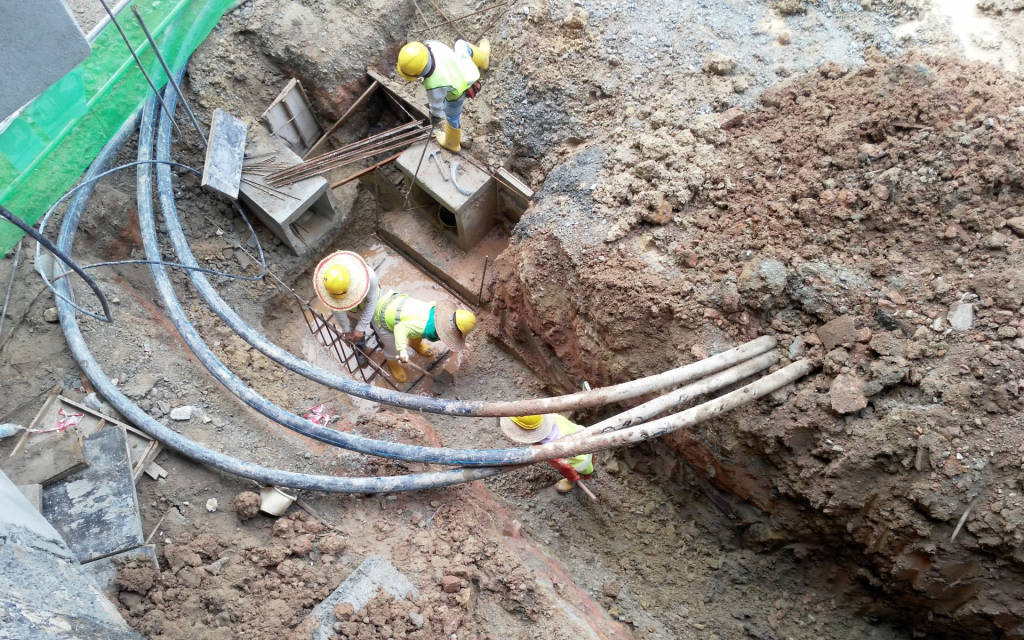
Telecommunications projects come with unique bonding requirements. From installing underground fiber and building wireless infrastructure to expanding broadband networks, companies may need several types of surety bonds before they can begin or complete their work. The challenge? No single telecommunications surety bond fits every project. Requirements depend on the project, location, contract, and type of […]

03
Nov
Nov
Not every subcontractor needs to provide a performance and payment bond. In fact, many experienced general contractors take a strategic approach, requiring bonds only when the additional protection justifies the cost and administrative effort. So how do you decide? The answer depends on the project, the subcontractor, and your overall risk tolerance. In this guide, […]

07
Oct
Oct
As your projects grow, so does your risk. A subcontractor default can lead to costly delays, budget overruns, payment disputes, and strained owner relationships. That’s why many general contractors require certain subcontractors to provide performance and payment bonds before work begins—a practice often called bonding back subcontractors. The good news? Setting up a subcontractor bond […]

02
Oct
Oct
When a subcontractor defaults, the consequences can extend far beyond replacing a contractor. Delays, increased costs, payment disputes, and strained client relationships can quickly put a project at risk. To help manage that risk, many general contractors choose one of two approaches: Subcontractor Default Insurance (SDI) Subcontractor performance and payment bonds (often called bonding back […]

06
Sep
Sep
When you’re pursuing larger construction projects, proving your qualifications starts long before you submit a bid. In many cases, project owners, developers, or general contractors want reassurance that you’ll be able to obtain the required surety bonds if you’re awarded the work. That’s where a letter of bondability comes in. Whether you’re bidding on your […]
01
Sep
Sep
The Contractor’s Bond Readiness Checklist: 6 Steps to Prepare Before You Bid Winning a project often comes down to more than having the lowest bid. If the project requires surety bonds, you’ll also need to demonstrate that your business is financially stable, experienced, and prepared to complete the work successfully. Unfortunately, many contractors wait until […]

30
Apr
Apr
Colorado’s new retainage bond requirement (HB 26-1311) introduces a smart way for contractors to manage cash flow on construction projects. Instead of waiting months to recover retained funds at the end of a job, contractors can now use a surety bond to access that money sooner. This means more working capital during the project—helping contractors […]